
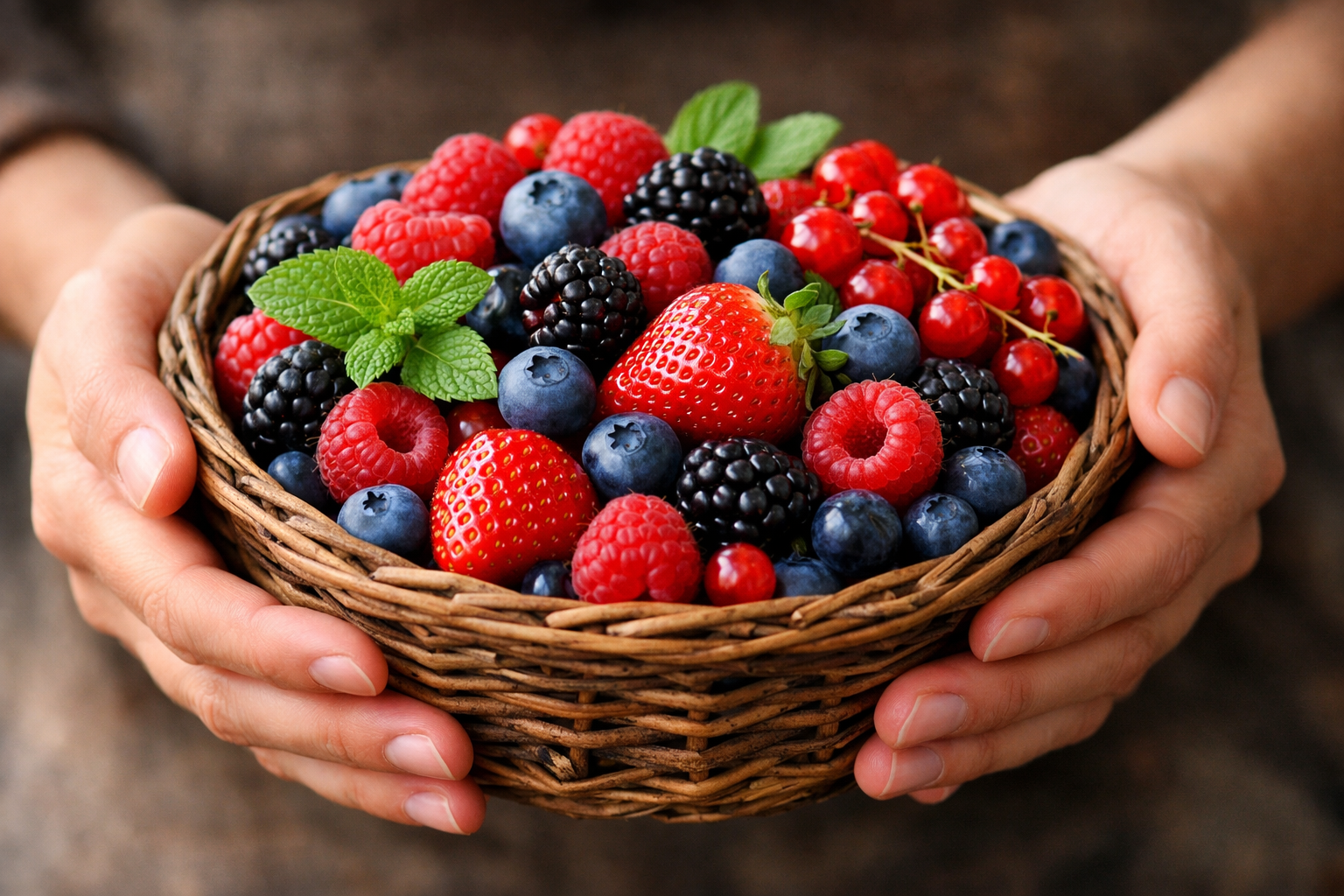
Fresh berries are one of the best parts of spring and summer: bright, sweet, and ready to eat straight from the container. They’re also one of the most frustrating items to keep fresh. It’s not uncommon to open the fridge a day or two later and find soft spots or mold already starting to form.
The good news is that a few simple adjustments to how you wash and store berries can make a noticeable difference. With the right approach, you can extend their shelf life, reduce waste, and keep them tasting their best for longer.
Why Berries Spoil So Quickly
Berries are naturally delicate. Their thin skins and high water content make them especially prone to spoilage.
Moisture is the biggest factor. Even a small amount of excess water can speed up the growth of mold. Because berries are typically packed close together, one spoiled berry can quickly affect the rest.
Temperature also plays a role. Berries need consistent refrigeration, but too much humidity or poor airflow can create the perfect environment for deterioration.
Understanding these factors makes it easier to prevent them.
The Biggest Mistakes to Avoid
Most issues with berries come down to a few common habits.
Washing berries as soon as you bring them home is one of the biggest culprits. While it seems like a good way to prep ahead, lingering moisture can cause them to break down faster.
Storing berries in their original container can also be problematic. While some containers are vented, they often trap moisture at the bottom and don’t provide enough airflow.
Another issue is leaving damaged or moldy berries in the container. Even one compromised berry can spread quickly to the others.
Finally, overcrowding or stacking delicate berries like raspberries and blackberries can cause them to crush and spoil more quickly.
When to Wash Berries
Timing matters more than anything.
For most situations, it’s best to wash berries just before eating. This keeps them dry during storage, which helps preserve their texture and freshness.
There is one exception: if you plan to use a vinegar rinse method to extend their life. In that case, washing them shortly after bringing them home can actually help prevent mold—but only if they are thoroughly dried before storing.
The Best Way to Wash Berries
There are two simple approaches depending on how you plan to use them.
Quick Rinse (For Immediate Use)
If you’re eating or serving berries right away, a quick rinse is all you need. Place them in a colander and run cold water gently over them. Avoid soaking, which can make them waterlogged.
After rinsing, spread the berries on a clean kitchen towel or paper towels and pat them dry gently. This helps maintain their texture and flavor.
Vinegar Rinse (For Extending Shelf Life)
If you want to extend the life of your berries, a vinegar rinse can help reduce mold spores.
Mix one part white vinegar with three parts water in a bowl. Add the berries and let them sit briefly—about one to two minutes. Drain and rinse thoroughly under cold water to remove any vinegar taste.
The most important step is drying. Berries must be completely dry before storing, or the extra moisture will work against you.
How to Dry Berries Properly
Drying is just as important as washing.
After rinsing, spread the berries out in a single layer on a clean kitchen towel or paper towels. Gently pat them dry, then let them air-dry for a bit longer if needed.
Rushing this step is one of the easiest ways to shorten their shelf life. Even small amounts of lingering moisture can lead to faster spoilage.
The Best Way to Store Berries
Once your berries are dry, proper storage makes all the difference.
Transfer them to a breathable container. Line the bottom with a paper towel to absorb any excess moisture. Arrange the berries in a single layer if possible, especially for delicate varieties.
If your container has a lid, keep it slightly ajar or use one with ventilation. Airflow helps prevent condensation from building up.
Store the container in the refrigerator, ideally in a spot where the temperature is consistent and not too humid.
Why Berries Last Longer at the Store Than at Home
Berries often seem to last longer at the supermarket because stores actively manage ethylene gas—a natural gas that fruits release as they ripen. Ethylene speeds up the ripening process and, once it builds up, can quickly lead to spoilage.
In retail environments, systems are designed to reduce or remove ethylene so produce stays fresher longer. At home, that gas tends to get trapped in containers or refrigerator drawers, especially when produce is stored together.
To slow this process, you can use ethylene-absorbing products at home, which help remove the gas and extend the life of fresh produce.
Storage Tips by Berry Type
Different berries benefit from slightly different handling.
Strawberries should be stored with their stems intact. Removing the stems too early can introduce moisture and speed up spoilage.
Blueberries are more durable and tend to last longer than other berries, but they still benefit from being kept dry and in a breathable container.
Raspberries and blackberries are the most delicate. Handle them as little as possible and avoid stacking them too deeply, as they can crush easily.
How Long Berries Typically Last
With proper storage, berries can last noticeably longer.
Strawberries and blueberries often keep for about 5 to 7 days. Raspberries and blackberries are more fragile and usually last 2 to 3 days.
Check berries periodically and remove any that show signs of spoilage. Look for mold, soft or leaking spots, or an off smell.
Can You Freeze Berries?
If you have more berries than you can use, freezing is a great option.
Wash and dry them thoroughly, then spread them in a single layer on a baking sheet. Freeze until solid, then transfer to a container or freezer bag.
This method prevents them from clumping together and makes it easy to use just what you need later. Frozen berries are ideal for smoothies, baking, or cooking.
The Berry Storage Formula
A few simple habits make all the difference:
- Keep berries dry
- Wash just before using (or use a vinegar rinse and dry thoroughly)
- Store in a breathable container
- Refrigerate promptly
A Small Habit That Makes a Big Difference
Berries don’t need complicated storage methods to stay fresh, just a little attention to moisture, airflow, and timing.
Once you get into the habit of drying and storing them properly, you’ll notice they last longer, taste better, and are ready to use when you need them. It’s a simple shift that helps reduce waste and makes the most of one of the season’s best ingredients.
Disclaimer: As an Amazon Associate, I earn from qualifying purchases.



Leave a Reply