
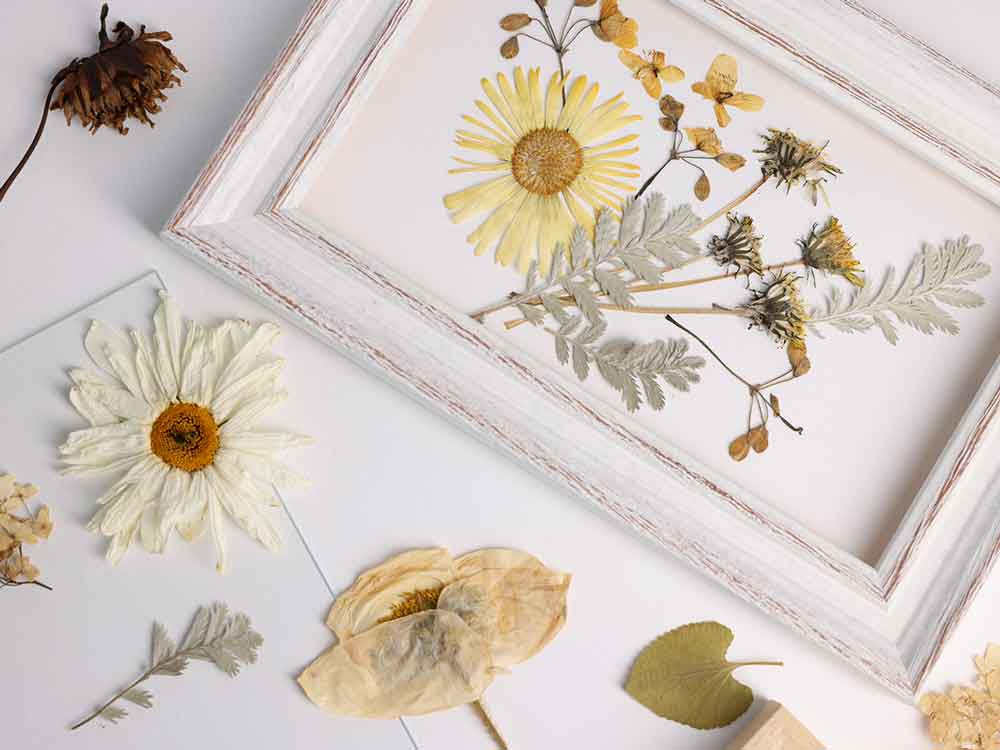
A Step-by-Step Guide to Creating Beautiful Pressed Flower Art at Home
Spring has a way of reminding us to notice small things: the first blooms in the garden, delicate wildflowers along a path, the soft green of new leaves. Pressed flower art captures that fleeting beauty and transforms it into something lasting.
Unlike many seasonal crafts, pressed flower art feels timeless rather than trendy. It can be minimal and modern, romantic and vintage-inspired, or clean and graphic depending on how you design and frame it. Best of all, it requires only simple materials and a bit of patience.
This guide walks you through the entire process of making pressed flower art, from choosing fresh flowers to pressing them properly and creating framed botanical artwork you’ll want to display year after year.
Why Pressed Flower Art Is Perfect for Spring
Pressed flower art celebrates the season at its peak. It allows you to preserve blooms from your own garden, farmers’ market bouquets, or even a special occasion. It’s also:
- Budget-friendly
- Beginner-friendly
- Beautifully giftable
- Easy to customize to your home’s style
And because no two flowers press exactly the same way, every piece of pressed flower art feels personal and one of a kind.
Step 1: Choosing the Right Flowers
The foundation of beautiful pressed flower art starts with selecting the right blooms.
The Best Flowers for Pressing
Flowers that are naturally flat or have thin petals produce the best results:
- Pansies
- Violas
- Daisies
- Cosmos
- Queen Anne’s lace
- Baby’s breath
- Ferns
- Small wildflowers
These varieties retain their color and shape more reliably when pressed.
Flowers That Can Work with Preparation
Thicker flowers can still be used in pressed flower art if you separate them:
- Roses (press individual petals)
- Tulips (split and flatten)
- Ranunculus (press in layers)
Avoid blooms that are overly thick or very moisture-heavy, as they are more likely to brown during pressing.
Harvesting Tips
- Pick flowers on a dry day.
- Harvest mid-morning after dew has evaporated.
- Choose blooms at peak freshness, not wilted or overly mature.
- Gently blot excess moisture before pressing.
Freshness directly impacts the final color of your pressed flower art.
Step 2: How to Press Flowers (Three Simple Methods)

There are several ways to prepare flowers for pressed flower art. The method you choose depends on your timeline and tools.
Method 1: Pressing Flowers in a Book (Classic Method)
This is the simplest and most accessible way to begin making pressed flower art.
Supplies
- Fresh flowers
- Parchment paper or plain printer paper
- A heavy hardcover book
- Additional books or weights (optional)
Instructions
- Trim stems short and remove excess leaves.
- Place flowers between two sheets of parchment paper.
- Arrange them flat, ensuring petals don’t overlap.
- Close the book carefully.
- Stack additional books on top for extra pressure.
- Leave undisturbed for 2–4 weeks.
Flowers are ready when they feel dry and paper-like with no coolness to the touch.
Method 2: Using a Wooden Flower Press
If you plan to create pressed flower art regularly, a flower press speeds up the process and produces consistent results.
Supplies
- Wooden flower press
- Cardboard inserts
- Blotting paper
Instructions
- Layer cardboard, blotting paper, and flowers.
- Tighten screws evenly to apply pressure.
- Store in a dry area.
- Check after 1–2 weeks.
This method provides stronger, more even compression than the book method.
Method 3: Quick Iron Method (For Faster Results)
If you’re eager to begin your pressed flower art immediately, this method reduces drying time.
Supplies
- Iron (no steam setting)
- Parchment paper
- Heavy book
Instructions
- Place flowers between parchment sheets.
- Press gently with a warm, dry iron for 10–15 seconds at a time.
- Allow flowers to cool completely before handling.
Note: Flowers pressed this way are more delicate and may fade faster over time.
Step 3: Designing Your Pressed Flower Art
Once your flowers are fully dry, it’s time to design your composition.
Work on a clean sheet of white cardstock or watercolor paper. Before gluing anything down, experiment with layouts.
Composition Ideas for Pressed Flower Art

A single-stem botanical study: This minimalist approach highlights one carefully pressed bloom or stem against a clean background. Inspired by traditional botanical illustrations, it allows the details—veining, petals, and natural form—to take center stage. Ideal for showcasing special flowers with elegant simplicity.

A symmetrical, vintage-style layout: Arrange flowers and greenery in a balanced, mirror-like composition for a timeless look. This style often pairs well with antique frames and neutral backdrops, evoking the charm of Victorian herbariums and classic pressed flower art collections.

A loose wildflower collage: Layer a variety of pressed blooms and foliage in an organic, freeform arrangement. Overlapping stems and varied heights create movement and a gathered-from-the-garden feel. This relaxed composition feels fresh, airy, and perfect for spring.

A circular wreath design: Form pressed flowers and greenery into a ring shape, leaving open space in the center. The circular layout feels intentional and harmonious, making it a beautiful choice for seasonal pressed flower art displays or gallery walls.

A simple grid of similar blooms: Mount matching flowers in evenly spaced rows and columns for a clean, structured look. This approach highlights subtle differences between each bloom while maintaining order. It works especially well with daisies, pansies, or other similarly sized flowers.

A modern floating arrangement: Use pressed flowers and petals to create intricate patterns and designs. Display the arrangement in a double-glass frame to mimic stained-glass, perfect for hanging in a window..
Step 4: Assembling and Framing Your Pressed Flower Art
Supplies for Framed Pressed Flower Art
- Pressed flowers
- White cardstock or watercolor paper
- Tweezers
- Small paintbrush
- Craft glue or archival glue
- Frame (standard frame or floating glass frame)
Step-by-Step Assembly
- Finalize your arrangement on the paper. Take a quick photo of your arrangement before gluing so you can recreate it if pieces shift.
- Carefully lift one flower at a time using tweezers.
- Apply a thin layer of glue with a small brush.
- Gently press the flower back into place.
- Allow to dry completely (at least 1–2 hours).
- Insert into your frame carefully.
- Seal and hang away from direct sunlight.
A floating glass frame creates a modern look. A matted wood frame feels classic and botanical.
How to Keep Pressed Flower Art from Fading
To preserve your pressed flower art:
- Keep it out of direct sunlight.
- Avoid high humidity areas.
- Use UV-protective glass if displaying long-term.
While some fading over time is natural, proper care helps maintain vibrancy.
Styling Pressed Flower Art in Your Home
Pressed flower art works beautifully in nearly every room.
- Hang a small piece above a bedside table.
- Create a spring gallery wall in a hallway.
- Add botanical art to a powder room.
- Lean a framed piece on open kitchen shelving.
- Style smaller frames together for impact.
For a cohesive look, repeat similar frame finishes throughout your space.
Seasonal Variations of Pressed Flower Art
Once you learn the process, you can adapt it beyond spring.
- Summer wildflower collections
- Herb-themed kitchen art
- Fall foliage pressed compositions
- Monochromatic white floral studies
Pressed flower art evolves naturally with the seasons, making it a craft you can return to year after year.
Troubleshooting Common Pressed Flower Art Issues
Why Did My Flowers Turn Brown?
- They contained too much moisture.
- The environment was too humid.
- Not enough pressure was applied.
How Long Does Pressed Flower Art Last?
With proper care, framed pressed flower art can last for years. Some fading is natural and part of its charm.
Can You Use Store-Bought Flowers?
Yes. Choose the freshest blooms available and press them immediately for best results.
A Simple Way to Preserve Spring
Pressed flower art is more than a seasonal craft. It’s a quiet way to preserve moments, a bouquet from the garden, a walk through a meadow, a flower clipped on a sunny afternoon.
It requires no advanced skill, only patience and attention. Start with a few blooms, a heavy book, and a simple frame. As your confidence grows, so will your creativity.
And long after spring fades, your pressed flower art will remain a small, beautiful reminder of the season.


Leave a Reply