
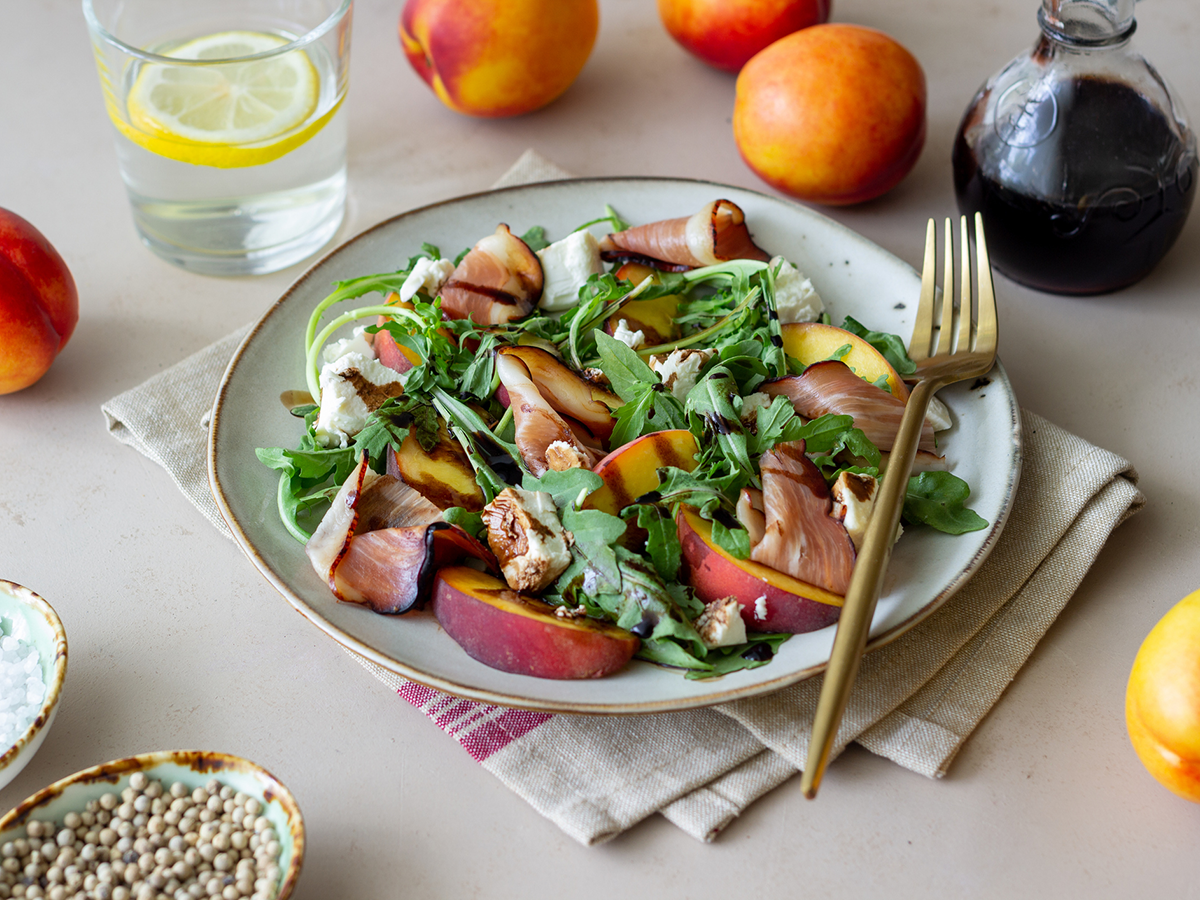
A great salad isn’t just tossed together—it’s composed with intention. The best ones strike a delicate balance between flavors and textures: crisp meets creamy, salty meets sweet, and each bite is vibrant, layered, and satisfying. Whether you’re building a quick lunch, a showstopping dinner salad, or prepping meals for the week, mastering the core principles of composition will give you a reliable framework—and endless room to improvise. Here’s how to build the perfect salad from the ground up.
Start with a Solid Base
The foundation of any good salad is its base. Greens are the obvious starting point, but the type of green you choose has a big impact on both flavor and texture. A bowl of peppery arugula will feel completely different from one filled with tender butter lettuce or hearty kale. For something crisp and refreshing, romaine or little gem lettuce is a great choice. Want a bolder, more structured bite? Try radicchio, endive, or shredded cabbage. Mixing two or three types of greens can give your salad a more dynamic personality—think soft and bitter, or crisp and peppery.
If you’re building a salad as a main dish, consider adding cooked grains like farro, quinoa, or bulgur. These provide a chewy, hearty texture and a satisfying base that plays well with both warm and cold ingredients. A grain salad also holds up better over time, making it ideal for meal prep or potlucks.
Balance the Flavors
What makes a salad truly great is its ability to hit multiple flavor notes in a single bite. Ideally, you want to incorporate at least three of the five primary flavor profiles—sweet, salty, sour, bitter, and umami—to keep your palate engaged from start to finish.
Sweetness can come from roasted vegetables like carrots or beets, or from fresh or dried fruit such as grapes, strawberries, apples, or figs. Even a drizzle of honey or maple syrup in your dressing can provide just the right touch of contrast.
Salty ingredients are essential for balance. Crumbled feta, shaved Parmesan, briny olives, capers, or crisp bacon can provide that savory edge that rounds out the dish. A pinch of flaky salt right before serving can also enhance the other ingredients without overpowering them.
Sour elements—like vinegar, lemon juice, or pickled vegetables—bring brightness and help cut through rich or creamy components. Don’t underestimate how transformative a quick-pickled onion or splash of sherry vinegar can be.
Bitterness is often overlooked but incredibly useful, especially when combined with sweet or creamy ingredients. Greens like radicchio or mustard greens add punch, while grapefruit segments or bitter herbs like dandelion greens can provide complexity.
Umami-rich ingredients add depth. Grilled mushrooms, sun-dried tomatoes, roasted meats, soy-based dressings, or even anchovies can take a salad from good to unforgettable.
Add Texture for Contrast
Texture is what makes a salad memorable. Without it, even the most flavorful combination can fall flat. The ideal salad includes at least three types of texture: something crunchy, something creamy, and something tender or chewy.
Crunch might come from toasted nuts, seeds, croutons, crisp raw vegetables, or crispy chickpeas. These ingredients provide a satisfying contrast to softer components and keep each bite interesting.
Creamy textures—think avocado, soft cheeses, hummus, or a silky dressing—add richness and roundness.
Chewy or tender textures, like roasted vegetables, cooked grains, grilled meats, or juicy tomatoes, help provide a sense of substance and balance.
When thinking about texture, it’s also worth considering temperature. A warm component, like roasted squash or just-cooked chicken, can bring softness and depth to a chilled salad and make it feel more like a composed meal.
Include a Protein Element
To turn a salad into a satisfying meal, incorporating protein is key. This could be as simple as a sliced hard-boiled egg or a scoop of chickpeas—or as hearty as grilled chicken, seared steak, or a slab of baked salmon. Plant-based proteins like tofu, tempeh, and lentils are also excellent options, especially when paired with bold dressings or seasonings. Adding protein not only makes your salad more filling, but it also helps anchor the flavors and textures, giving the dish a clearer structure and identity.
Dress It Right
A great dressing ties the whole salad together. It shouldn’t overpower the ingredients but rather enhance them—coating each bite lightly and adding just enough acidity or richness to lift the dish.
Most dressings follow a simple formula: fat, acid, and flavor. Olive oil, tahini, yogurt, or mayonnaise can serve as the base. For acidity, vinegar (balsamic, red wine, sherry) or citrus juice will do the trick. Flavor can come from Dijon mustard, garlic, shallots, honey, fresh herbs, or spices. The key is balance—if the dressing is too sharp, add a little sweetness; if it’s too flat, try a splash of vinegar or pinch of salt.
To avoid a soggy salad, toss the greens with a small amount of dressing in a large bowl before adding other toppings. Then drizzle on a little more if needed once everything is combined. This ensures the dressing is evenly distributed without overwhelming the dish.
Think About Composition
Stick to 1–2 flavor elements to keep flavors clean and focused. Then layer textures into the salad to create contrast. Consider the classics…some of the most iconic salads offer perfect examples of flavor and texture in harmony.
Caesar Salad
- Romaine Lettuce: Crisp texture
- Shave Parmesan: Salty and slightly creamy
- Croutons: Crunchy texture, garlic and herb flavor
- Caesar Dressing: Savory, creamy, umami from the anchovy-rich dressing
Cobb Salad
- Mixed Greens: Soft, tender greens
- Bacon: Crispy, smokey and salty
- Hard-Boiled Egg and Avocado: Creamy texture and mild flavor
- Tomatoes: Juicy, slightly sweet or acidic, depending on the variety
- Cucumber: Cool, fresh and crunchy
- Blue Cheese & Blue Cheese Dressing: Creamy texture, tangy, rich and salty flavor
Greek Salad
- Cucumber: Cool, fresh and crunchy
- Tomatoes: Juicy, slightly sweet or acidic, depending on the variety
- Red Onion: Crispy, pungent and slightly spicy or peppery
- Green Bell Pepper: Crunchy and fresh with a grassy note
- Kalamata Olives: Meaty, rich, and briny
- Feta Cheese: Creamy and salty
Each of these salads succeeds not by doing too much, but by doing just enough. They rely on contrast, repetition, and restraint—three principles worth remembering when building your own.
Combinations to Try
Autumn Harvest Bowl
Ingredients: Roasted squash, quinoa, baby kale, goat cheese, spiced pecans, dried cranberries, apple cider vinaigrette
Why it works: Earthy roasted vegetables meet creamy cheese and sweet, chewy cranberries. The quinoa and kale offer hearty structure, while spiced pecans add crunch and warmth.
Spicy Thai-Inspired Salad
Ingredients: Shredded cabbage, carrots, scallions, cilantro, grilled chicken, chopped peanuts, chili-lime dressing
Why it works: A crisp, colorful slaw with creamy nuts and zesty dressing. It hits sour, sweet, spicy, and salty notes all at once for maximum flavor impact.
Roasted Beet & Citrus Salad
Ingredients: Arugula and frisée, roasted golden beets, orange or blood orange segments, pickled red onions, pistachios, whipped ricotta, honey-mustard vinaigrette
Why it works: Sweet roasted beets and juicy citrus brighten up bitter greens and creamy ricotta, while pistachios add crunch and depth. The pickled onion keeps it sharp and balanced.
Tuna & White Bean Salad with Herbs
Ingredients: Butter lettuce, oil-packed tuna, cannellini beans, shaved fennel, celery, fresh dill and parsley, lemon-Dijon vinaigrette
Why it works: Mild, buttery ingredients are elevated by crisp vegetables and lots of fresh herbs. Beans and tuna add protein and chew, while vinaigrette keeps it zippy and clean.
Nectarine & Burrata Salad
Ingredients: Arugula, nectarines, burrata, prosciutto, walnuts, balsamic glaze
Why it works: Creamy, sweet, salty, and tangy—this salad combines soft textures and bold flavors, with arugula providing a peppery base and walnuts adding necessary crunch.
Charred Corn & Black Bean Salad
Ingredients: Romaine, charred corn, black beans, cherry tomatoes, scallions, cotija cheese, tortilla strips, cilantro-lime vinaigrette
Why it works: Smoky, sweet, and salty flavors play well together, and there’s a satisfying balance of creamy beans, crunchy tortilla strips, and juicy tomatoes with a Mexican-inspired twist.
Final Touches and Tips
Before serving, always taste your salad and adjust. Sometimes all it needs is a pinch of salt, a splash of lemon juice, or an extra drizzle of olive oil to bring it to life. Toss gently but thoroughly to ensure everything is coated, and don’t overcrowd the bowl—more isn’t always better.
If you’re meal-prepping, store dressings separately and keep wet or delicate ingredients (like sliced avocado or soft cheeses) separate until just before eating. This keeps everything crisp and vibrant.
The perfect salad isn’t about following a strict recipe—it’s about understanding how different components interact and building layers that work in harmony. Once you’ve got the basics down, you can experiment endlessly, using whatever’s fresh, in your fridge, or simply what you’re craving. It’s a simple formula—but one that can lead to endlessly delicious results.



Leave a Reply