
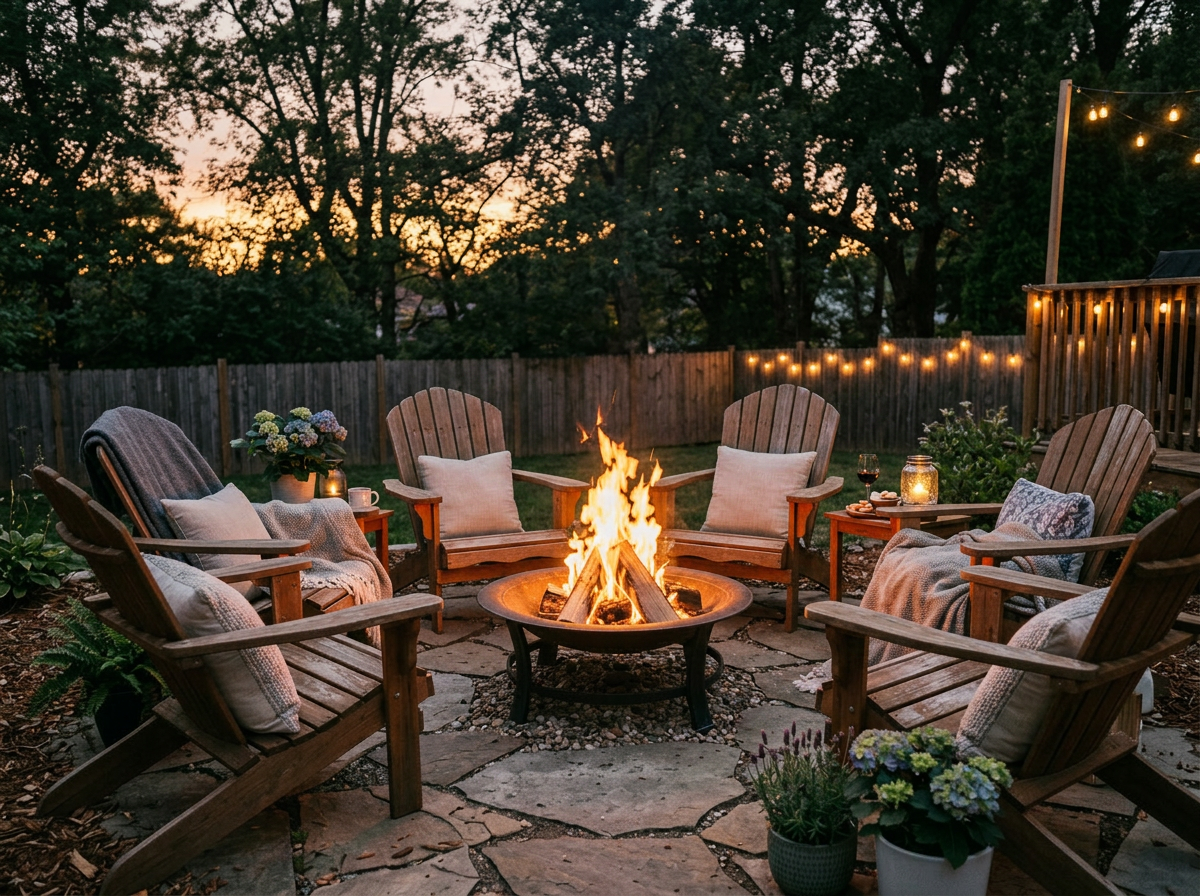
There’s a particular kind of summer evening that doesn’t ask for much—just a warm night, a few good people, and a reason to stay outside a little longer than planned. A backyard fire pit has a way of becoming the natural center of those moments. It’s not just about the flame itself, but what it creates around it: slower conversation, lingering laughter, and the feeling that the evening doesn’t need to be rushed.
Unlike other backyard features that feel seasonal or decorative, a fire pit extends the use of outdoor space well beyond sunset. It turns a simple patio or yard into a place where people gather instinctively. Whether it’s a spontaneous weeknight wind-down or a weekend get-together, the fire becomes a shared focal point that quietly sets the tone for connection.
Choosing the Right Fire Pit for Your Space
The right fire pit often depends less on aesthetics alone and more on how you actually want to use your outdoor space. A wood-burning fire pit, for example, brings a familiar crackle and smoke that feels nostalgic and rustic. It encourages a more hands-on experience—building the fire, tending it, and letting it burn down slowly. For many people, that ritual is part of the appeal.
Gas fire pits offer a very different kind of ease. With the flip of a switch or turn of a knob, you have instant flame and consistent heat without the cleanup. They work especially well for frequent use or more polished outdoor living spaces where convenience matters as much as ambiance.
For smaller yards or more flexible setups, portable fire bowls can be surprisingly effective. They allow you to shift the layout of your space or even store the pit when it’s not in use. On the other end of the spectrum, built-in fire features act as architectural anchors—permanent elements that define an entire outdoor living area and often integrate seamlessly into seating walls or patio designs.
Designing a Fire Pit Gathering Zone
A fire pit is only as inviting as the space around it. The most successful setups tend to prioritize comfort and conversation over formality. Circular or slightly curved seating arrangements naturally draw people in, allowing everyone to feel included without needing to raise their voice or lean in awkwardly.
Built-in benches can create a sense of structure and permanence, especially in larger yards, while movable chairs offer flexibility for different group sizes and occasions. Mixing both can be an effective balance—something grounded but not rigid.
Defining the space is also key. An outdoor rug underfoot can visually anchor the area and make it feel like a true “room” outside. Side tables, even small ones, become surprisingly important once the fire is going—somewhere to rest a drink, a plate, or a folded blanket. Ideally, the fire pit area feels like a natural extension of the home, with an easy flow between indoor and outdoor living rather than a disconnected corner of the yard.
Styling the Space for Summer Atmosphere
Once the structure is in place, the atmosphere is what brings the fire pit area to life. Summer styling works best when it feels effortless rather than over-designed. Soft lighting is often the most transformative element—string lights overhead or a few lanterns placed at varying heights can shift the entire mood from functional to magical as the sun goes down.
Textiles also play an important role, especially as temperatures dip slightly after dark. Lightweight throws, linen cushions, and breathable fabrics add comfort without feeling heavy or seasonal. These small layers encourage people to stay outside longer, which is really the whole point.
Natural accents tend to work better than overly decorative ones. Potted herbs, simple grasses, or weathered wood textures blend into the outdoor environment rather than competing with it. Color palettes that lean into warm neutrals, soft greens, and earthy tones tend to feel timeless, especially when paired with the glow of firelight.
Fire Pit Entertaining Ideas for Summer Nights
A fire pit naturally changes the rhythm of entertaining. Instead of structured meals or scheduled activities, gatherings tend to unfold in a more relaxed, continuous way. S’mores are the classic example—not because they are elaborate, but because they invite participation. People naturally drift in and out of the fire’s edge, building their own combinations and lingering as long as they like.
For something a bit more structured but still casual, DIY food nights work beautifully. Hot dog or skewer stations, where guests can assemble and cook their own food over the fire or nearby grill, keep things interactive without requiring formal hosting.
Even drinks can become part of the experience. A simple spritz station or chilled wine setup encourages guests to serve themselves and return to the fire rather than congregating in one indoor space. And for families, the fire pit extends playtime—board games, storytelling, or even just quiet conversation take on a different energy under the night sky.
Easy Food and Drink Pairings for Fire Pit Gatherings
Food around a fire pit should feel relaxed, unfussy, and easy to handle. Finger foods are especially effective because they don’t require a table setting or formal plating. Think grilled flatbreads, sliders, or skewers that can be prepared ahead of time and finished over the flame or grill.
Seasonal produce fits naturally into this kind of entertaining. Grilled corn, ripe tomatoes with flaky salt, or stone fruit sliced simply and served with cheese or herbs bring a fresh, summer-forward feel without requiring much effort. These are the kinds of dishes that taste better outdoors, especially when paired with a bit of smoke or char.
Drinks should follow the same philosophy. Sparkling lemonades, citrus spritzers, iced herbal teas, or large-format pitchers allow guests to serve themselves. The goal is not complexity, but ease—flavors that feel refreshing and can be enjoyed slowly over the course of the evening.
Safety, Comfort, and Practical Considerations
As relaxed as fire pit gatherings can feel, a few practical considerations make them safer and more enjoyable. Placement is one of the most important factors. A fire pit should be positioned at a comfortable distance from structures, overhanging trees, and anything flammable, with enough space for people to move around safely.
Wind direction also matters more than it might seem. Even a light breeze can shift smoke into seating areas, so it’s worth observing how air moves through the yard before settling on a permanent setup. Seating should be close enough to enjoy the warmth but far enough to avoid discomfort from heat or sparks.
Comfort extends beyond the fire itself. Simple touches like keeping bug-repellent candles or fans nearby can help without overwhelming the atmosphere. The goal is to enhance the experience, not complicate it. It’s also worth staying aware of local burn regulations or seasonal restrictions, especially during dry periods.
Small Space Fire Pit Solutions
Not every backyard is large enough for a full fire pit lounge, but smaller spaces can still capture the same feeling with a bit of creativity. Tabletop fire bowls or compact propane fire features offer ambiance without taking up valuable square footage. They work especially well on patios, balconies, or tightly defined outdoor areas.
In smaller layouts, flexibility becomes essential. Folding chairs, stackable seating, or lightweight furniture allow the space to shift depending on the number of guests. Multi-purpose pieces—like storage benches or side tables that double as seating—help maximize functionality without cluttering the space.
Vertical design elements can also help create atmosphere when horizontal space is limited. Wall-mounted lighting, trellises, or climbing plants draw the eye upward and make the area feel more intentional and layered, even in a compact footprint.
Seasonal Maintenance and Longevity
A fire pit area tends to evolve over the course of the summer, and a little maintenance keeps it feeling fresh and inviting. For wood-burning setups, regularly clearing ash and checking for debris helps maintain airflow and ensures easier lighting for the next use. Gas fire pits benefit from occasional inspections of connections and protective covers when not in use.
Soft furnishings often need the most attention. Cushions and throws should be stored or protected during rain or extended periods of disuse to preserve their texture and color. Even small seasonal refreshes—swapping out pillow covers or adding a new lantern—can make the space feel renewed without a full redesign.
Making the Fire Pit a Summer Ritual
Over time, a backyard fire pit becomes less about design and more about rhythm. It’s where people naturally gather at the end of the day, where conversations stretch a little longer than expected, and where summer evenings take on a slower, more intentional pace.
The best fire pit spaces aren’t necessarily the most elaborate—they’re the ones that feel lived in, welcoming, and easy to return to. As the season unfolds, it becomes less of a feature in the yard and more of a reason to step outside and stay there just a little bit longer.



Leave a Reply