
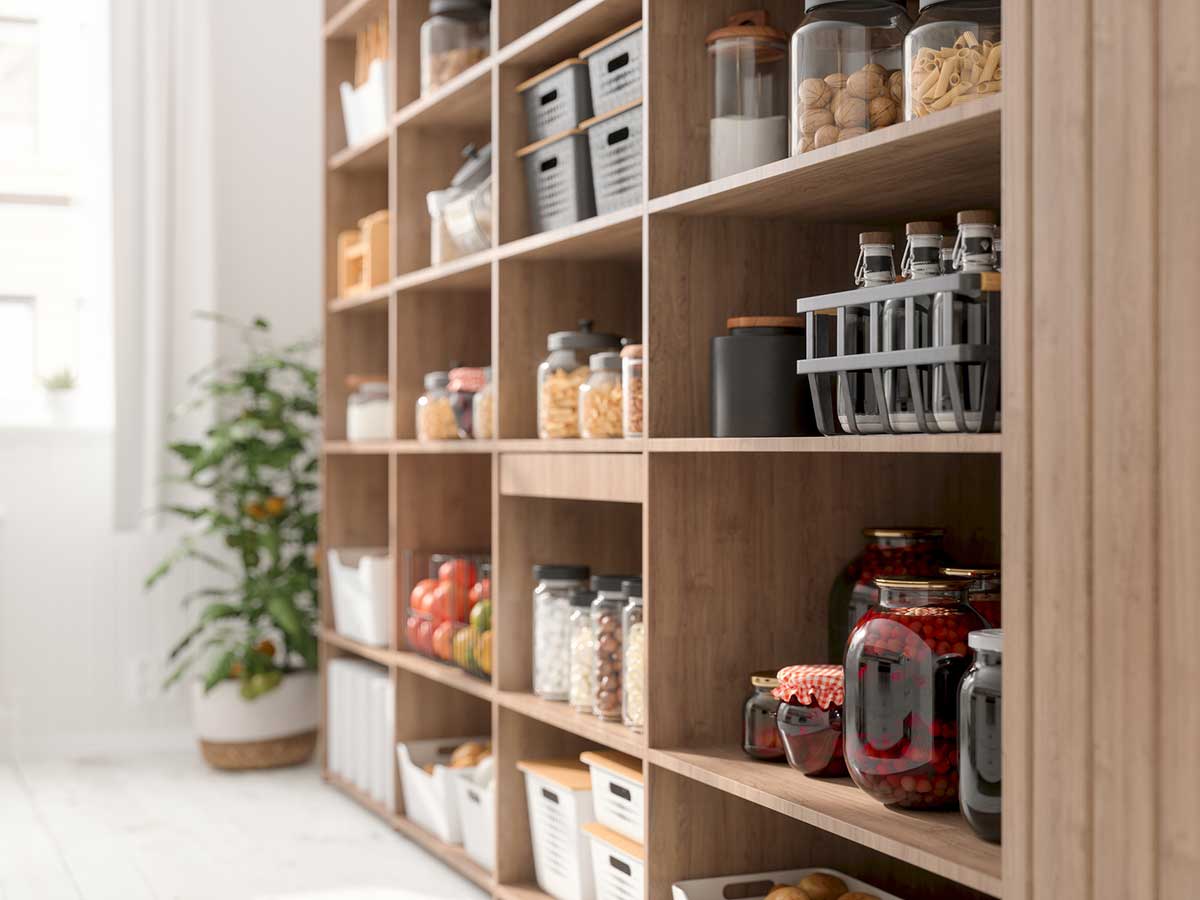
As the days grow longer and the light shifts from gray to golden, most of us feel the urge to refresh something in our homes. Windows get opened. Closets get sorted. Heavy blankets get folded away. But one space that often gets overlooked during spring cleaning is the pantry.
Refreshing your pantry for spring isn’t just about wiping down shelves. It’s about transitioning from hearty winter cooking to lighter, brighter meals. It’s about reducing waste, rediscovering ingredients you forgot you had, and creating a space that makes everyday cooking easier and more inspiring.
A well-organized, thoughtfully stocked pantry supports seasonal eating. It saves money. It cuts down on food waste. And perhaps most importantly, it makes you want to cook.
If you’re ready to give your kitchen a fresh start, here’s how to reset your pantry for spring—step by step.
Start With a Complete Reset
The most effective pantry refresh begins with a full reset. That means taking everything out. Yes, everything.
It may feel excessive, but removing every jar, box, and bag allows you to see exactly what you own. You’ll likely discover duplicates, long-forgotten ingredients, and items well past their prime.
As you empty your pantry, group similar items together on your counter or table: grains in one area, canned goods in another, baking supplies in another. This simple act of categorizing gives you an immediate sense of what you have too much of—and what you’re missing.
Check expiration dates, but also trust your senses. Dry goods don’t always spoil on a printed schedule. Instead, look for signs of decline:
- Oils that smell sharp or bitter may be rancid.
- Spices that have lost their aroma have likely lost their potency.
- Flour or grains with clumps, webbing, or an off smell should be discarded.
- Baking powder and baking soda lose effectiveness over time.
If you find multiple open packages of the same ingredient, consolidate when possible. Create a “use first” section for items nearing expiration. This small habit can significantly reduce waste in the coming weeks.
Before you buy anything new, write down what you already have. A categorized inventory prevents overbuying and makes meal planning much easier. Often, you’ll realize you don’t need to restock nearly as much as you thought.
Deep Clean and Reorganize With Intention
Once your shelves are empty, take advantage of the rare opportunity to deep clean.
Remove crumbs and debris with a vacuum attachment or handheld vacuum. Wipe shelves thoroughly with warm water and mild soap or a gentle cleaner safe for food storage areas. If you use shelf liners and they’re stained or worn, consider replacing them for a truly fresh start.
With a clean slate in front of you, think about function before putting items back.
The most effective pantry organization systems aren’t complicated—they’re intuitive. Place frequently used ingredients at eye level. Store occasional or specialty items on higher or lower shelves. Keep heavy items like large bags of rice or flour on lower shelves for safety and convenience.
Clear, airtight containers can make a significant difference. Transferring flour, sugar, grains, and cereals into sealed containers protects against moisture and pantry pests while also making it easier to see what you’re running low on. Label containers clearly with both the contents and the purchase date.
Create zones that reflect how you cook. For example:
- A baking zone with flour, sugar, leavening agents, vanilla, and chocolate.
- A grain and pasta zone.
- A canned goods section.
- A snack area if you have children or like quick grab-and-go options.
- A breakfast shelf with oats, granola, nut butter, and tea.
The goal isn’t perfection—it’s efficiency. When everything has a place, maintaining order becomes much easier.
Transition From Winter Staples to Spring Essentials
Winter cooking often leans heavily on hearty soups, stews, braises, and baked goods. As the weather warms, meals naturally become lighter. Refreshing your pantry for spring means making that transition intentionally.
Start by identifying ingredients that are winter-specific. You might have leftover soup bases, dense baking ingredients, or holiday spices that won’t see much use in the coming months. That doesn’t mean you need to discard them—but you should make a plan to use them up.
This is a great time to prepare one last big batch of soup or bake a loaf of bread to finish off older flour and yeast. Clearing out these items creates space—both physically and mentally—for the new season.
Now think about what spring cooking requires.
Spring meals often rely on lighter grains, quick-cooking proteins, fresh herbs, and bright flavors. Consider refreshing or prioritizing:
- Quinoa, couscous, and lighter rice varieties
- Lentils and quick-cooking beans
- Olive oil (especially if your current bottle is older)
- White wine vinegar or champagne vinegar
- Dijon mustard
- Honey
- Dried herbs like dill and parsley
Citrus-forward ingredients also shine this time of year. Lemon juice, lemon zest blends, and citrus-infused oils can instantly lift a dish.
If you enjoy tea in the warmer months, consider lighter varieties such as green tea or herbal blends like Chamomile, which pair beautifully with fresh spring flavors.
The shift isn’t about eliminating hearty foods altogether—it’s about making room for brightness and balance.
Restock Thoughtfully: Build a Spring-Ready Pantry
Once you’ve cleared space and identified gaps, it’s time to restock—but do it strategically.
Avoid the urge to buy everything at once. Instead, restock gradually over a few grocery trips. This spreads out costs and ensures you’re purchasing ingredients you’ll actually use.
Focus on versatile staples that support lighter cooking:
Grains and Legumes
Stock smaller quantities of grains that cook quickly and work well in salads and bowls. Lentils are especially useful in spring because they require no soaking and cook in under 30 minutes.
Baking and Breakfast Basics
Replace expired baking powder or soda. Fresh leavening agents make a noticeable difference in texture. Replenish oats, nuts, and seeds for lighter breakfasts.
Oils, Vinegars, and Condiments
Fresh olive oil can dramatically improve simple spring dishes. A quality white wine vinegar or apple cider vinegar supports vinaigrettes for fresh salads. Dijon mustard adds depth to dressings and marinades.
Canned and Jarred Goods
Keep crushed tomatoes, artichoke hearts, olives, roasted red peppers, and coconut milk on hand. These ingredients can quickly transform simple produce into a complete meal.
Spices and Herbs
If your dried herbs are more than a year old, consider replacing key ones. Dill, basil, oregano, and parsley are particularly useful for spring recipes.
The key is flexibility. Your pantry should support spontaneous cooking. With the right staples on hand, you can turn fresh market produce into dinner without a special trip to the store.
Reduce Waste and Build Better Pantry Habits
Refreshing your pantry for spring isn’t just about aesthetics—it’s an opportunity to improve your habits.
Adopt a “first in, first out” system. When restocking, place newer items behind older ones. This simple shift ensures older ingredients get used first.
Create a small section labeled “use soon.” This area should contain items nearing expiration. Challenge yourself to build meals around these ingredients each week.
Plan meals seasonally. Instead of buying ingredients for one specific recipe, think in formulas:
- Grain bowl + roasted vegetables + protein + vinaigrette
- Pasta + seasonal produce + olive oil + cheese
- Lentils + herbs + citrus
When you think in flexible structures, pantry staples get used more efficiently.
Schedule small monthly resets. You don’t need to empty the pantry every time—just straighten shelves, check dates, and wipe surfaces. A 15-minute check-in prevents clutter from building again.
Frequently Asked Questions
How often should you clean your pantry?
A deep clean once or twice a year is usually sufficient, ideally in spring and fall. Light maintenance should happen monthly.
Should you replace spices every year?
Whole spices last longer than ground spices, but most ground spices begin losing potency after 6–12 months. If the aroma is faint, it’s time to replace them.
What’s the best way to store flour long-term?
Store flour in airtight containers in a cool, dry place. For extended storage, refrigeration or freezing can extend freshness and prevent pests.
How do you prevent pantry pests?
Airtight containers are the best defense. Regularly cleaning shelves and inspecting dry goods also helps. Avoid leaving open bags loosely folded.
Can you donate pantry items during your refresh?
Yes. Unopened, non-perishable items that have not expired can often be donated to local food banks. Check local guidelines.
How do you keep your pantry organized loefreng-term?
Keep systems simple. Label clearly, group by category, and avoid overfilling shelves. The more breathing room you leave, the easier maintenance becomes.
A Fresh Start Begins in the Pantry
Refreshing your pantry for spring is more than a cleaning project—it’s a seasonal reset. It aligns your kitchen with the lighter meals you naturally crave as temperatures rise. It helps you cook more efficiently. It reduces waste. And it brings clarity to a space that gets used every single day.
When your pantry is organized, thoughtfully stocked, and aligned with the season, cooking becomes less stressful and more creative. You’re not digging through clutter or discovering expired ingredients at the worst moment. Instead, you’re reaching for fresh staples that support simple, vibrant meals.
Spring is about renewal. Let that renewal extend into your kitchen. Empty the shelves. Wipe them clean. Restock with intention. And create a pantry that supports the way you want to cook in the months ahead.
A refreshed pantry doesn’t just change your shelves—it changes your habits. And that small shift can make all the difference.



Leave a Reply