
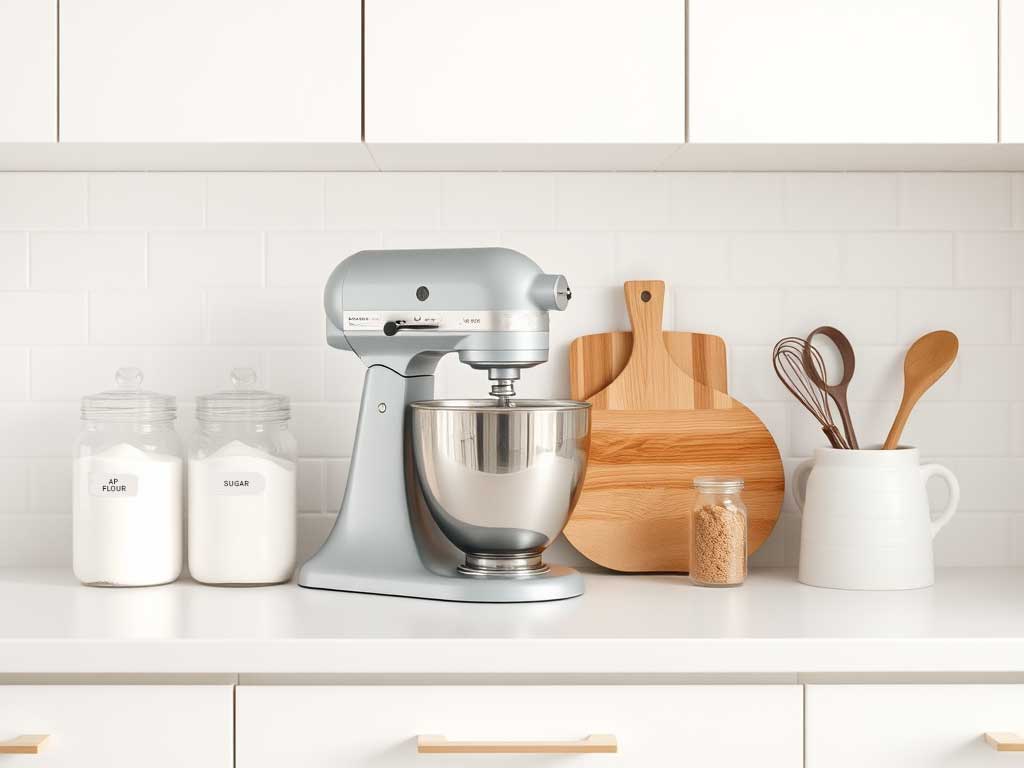
Baking doesn’t have to be a weekend project or a once-a-year holiday event. For many home cooks, everyday baking looks like banana bread on a Sunday afternoon, muffins for the week ahead, a quick batch of cookies after dinner, or pizza dough mixed up on a Tuesday night. When your kitchen is organized with those everyday habits in mind, baking feels approachable instead of overwhelming.
Organizing your kitchen for everyday baking isn’t about having a picture-perfect pantry or owning specialty equipment. It’s about reducing friction—knowing where everything is, keeping the essentials within reach, and setting up systems that make it easier to bake more often.
Define What “Everyday Baking” Means for You
Before you reorganize anything, take a moment to define your baking reality—not your baking aspirations. Everyday baking usually includes:
- Quick breads and muffins
- Drop cookies and bar cookies
- Sheet cakes and snack cakes
- Pizza dough, focaccia, or simple yeast breads
If you rarely make layer cakes or laminated pastries, your kitchen shouldn’t be organized around those tools. The goal is to support what you bake most often, not what you think you “should” bake someday.
Ask yourself:
- What do I bake at least once or twice a month?
- Which ingredients do I reach for repeatedly?
- What tools do I pull out every time I bake?
Those answers should drive every organizing decision that follows.
Create a Dedicated Baking Zone
One of the simplest ways to make baking feel easier is to group baking-related items together. When ingredients, tools, and pans are scattered across the kitchen, baking becomes a scavenger hunt.
A baking zone doesn’t have to be large. It can be:
- One cabinet and one drawer
- A section of the pantry
- A lower cabinet near the oven with nearby counter space
The key is proximity. Your baking zone should ideally include:
- Dry baking ingredients
- Mixing tools and measuring tools
- Frequently used bakeware
When everything lives in one general area, setup and cleanup are faster, and baking becomes a natural part of daily life instead of a production.
Organize Dry Baking Ingredients for Speed and Freshness
Dry ingredients are the backbone of everyday baking, and they should be easy to grab without digging.
Where to Store Baking Ingredients
- Pantry or cabinet near your baking zone: Best for flours, sugars, cocoa, and leaveners
- Countertop: Only for items you use constantly, like flour or sugar, and only if space allows
Containers vs. Original Packaging
Clear containers work well for everyday staples because you can see quantities at a glance. However, not everything needs to be decanted. A hybrid approach works best:
- Decant frequently used flours and sugars
- Leave specialty flours or seasonal ingredients in original packaging
- Store open bags inside bins to keep them tidy
Labeling Basics
Labels don’t need to be fancy, but they should include:
- Ingredient name
- Date opened
- Any notes (for example: “cake flour” or “bread flour”)
This small step prevents mystery ingredients and stale baking disasters.
Everyday Baking Staples to Prioritize
Keep these front and center:
- All-purpose flour
- Granulated sugar
- Brown sugar
- Powdered sugar
- Baking powder and baking soda
- Salt
- Cocoa powder
- Chocolate chips or chunks
- Common spices like cinnamon and nutmeg
Store Bakeware by How You Use It
Many kitchens store bakeware by size or shape, but everyday baking is easier when pans are stored by frequency of use.
High-Use Bakeware
These should be easiest to reach:
- Sheet pans
- Muffin tins
- Loaf pans
- Square and rectangular baking dishes
Storage Tips
- Store pans vertically using dividers or file organizers when possible
- Nest pans of the same type together
- Keep specialty pans (bundt, springform, novelty shapes) higher up or further back
The goal is to avoid unstacking half the cabinet just to grab a single pan.
Keep Everyday Baking Tools Within Arm’s Reach
If you bake regularly, there are certain tools you shouldn’t have to hunt for.
Must-Have Everyday Baking Tools
- Measuring cups and spoons
- Mixing bowls
- Whisk
- Silicone spatulas
- Wooden spoons
- Bench scraper
- Pastry brush
Store these tools in a dedicated drawer or container near your baking zone. If you bake often, owning duplicates of measuring cups or spatulas can be surprisingly helpful—one set for baking, one for general cooking.
Mixer accessories should live near the mixer itself, whether that’s in a cabinet, drawer, or pull-out shelf.
Make Counter Space Work for Baking
You don’t need a huge kitchen to bake regularly, but you do need clear space. A small section of clear counter—enough to place a mixing bowl and a baking sheet—is usually sufficient for everyday baking.
- Store rarely used appliances elsewhere
- Use trays or bins to corral everyday items
- Be selective about what earns a permanent spot
If you bake multiple times a week, keeping a stand mixer on the counter can make sense. If it only comes out once a month, it’s better stored away.
Organize Baking Ingredients in the Fridge and Freezer
Not all baking ingredients live in the pantry.
Refrigerator Storage
- Butter (keep one or two sticks accessible)
- Eggs
- Cream cheese, yogurt, and dairy
Consider keeping baking butter separate from everyday butter so it’s always available when you need it.
Freezer Storage
The freezer is ideal for:
- Nuts and seeds
- Whole grain flours
- Yeast
- Cookie dough and bread dough
Label everything with dates and rotate older items to the front to avoid waste.
Simple Systems That Keep Baking Organized Long-Term
The best baking organization systems are the ones you can maintain.
Helpful habits include:
- Restocking ingredients immediately after baking
- Keeping a short “baking restock” list
- Doing a quick pantry reset once a month
- Swapping in holiday baking tools seasonally instead of storing everything at once
These small routines prevent clutter from creeping back in.
Common Baking Organization Mistakes to Avoid
Even well-intentioned organizing efforts can backfire. Avoid:
- Decanting every single ingredient without a plan
- Storing ingredients far from where you actually bake
- Buying organizing containers before decluttering
- Creating systems that are too complicated to maintain
Organization should make baking easier, not add extra steps.
Organize for Joy, Not Perfection
A well-organized kitchen doesn’t guarantee perfect baked goods—but it does make baking feel more inviting. When your ingredients are fresh, your tools are easy to find, and your workspace is clear, baking becomes something you do naturally, not something you put off.
Let your kitchen evolve as your habits change. Organizing for everyday baking is about supporting creativity, comfort, and the simple pleasure of pulling something warm and homemade out of the oven—any day of the week.



Leave a Reply