
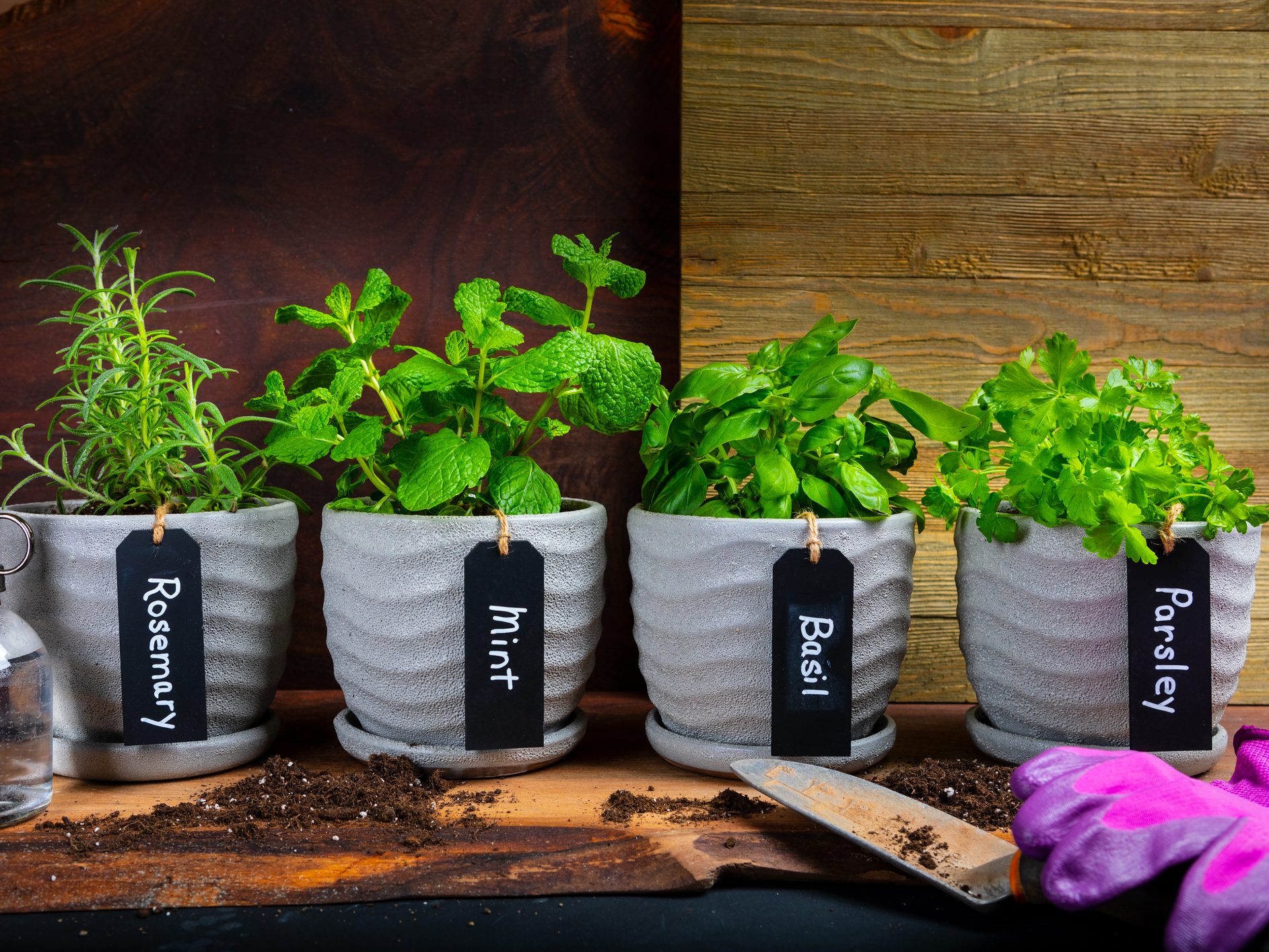
Fresh herbs are one of those quiet luxuries that elevate everyday cooking and add life to a space. A small cluster of green on your windowsill or patio can offer both beauty and purpose, transforming dinner and the energy of your home all at once. Whether you live in a cozy apartment or a sprawling house with a backyard, growing your own seasonal herb garden is a simple, satisfying ritual that reconnects you with nature.
Here’s how to create a seasonal herb garden that suits your space, your schedule, and your style.
Choose Herbs That Match Your Lifestyle
Start by thinking about how you cook and live. Are you more roast chicken and root vegetables or summer salads and mojitos? Choose herbs you’ll actually use—and don’t be afraid to keep it simple. A few well-loved herbs are better than a dozen neglected ones.
Warm-Season Herbs (Spring–Summer):
- Basil – Sweet, peppery, and sun-loving. Perfect for caprese salads, pasta, and pesto.
- Mint – Fast-growing and great for teas, cocktails, and desserts.
- Thyme – Hardy, floral, and versatile. Lovely in chicken dishes or vegetable roasts.
- Cilantro – Bright and citrusy. Best in tacos, grain bowls, and salsas.
- Chives – Mild onion flavor that complements eggs, soups, and potatoes.
Cool-Weather Herbs (Fall–Winter):
- Parsley – Crisp and clean-tasting. Ideal for garnishes and chimichurri.
- Sage – Hearty and aromatic. A must for stuffing, poultry, and brown butter sauces.
- Rosemary – Evergreen and piney. Stands up to long roasting and grilling.
Seed, Seedling, or Starter Plant?
All three options have their place, depending on your time and patience:
- Seeds are the most economical and offer the most variety. Great for planning ahead or starting indoors in early spring.
- Seedlings (small sprouts) are a happy middle ground—young, inexpensive, and quick to grow. A great choice for beginners.
- Starter plants are fully rooted herbs you can use right away. Perfect for instant gratification or last-minute dinner inspiration.
Pick Your Garden Style: Indoor or Outdoor?
You don’t need a big backyard to grow herbs—just a spot with at least 4–6 hours of sunlight a day. Here are a few space-smart ideas:
Indoor Options
- Sunny windowsills in the kitchen or living room
- Tiered plant stands or floating shelves near a window
- Hanging planters or wall-mounted herb pockets
- Reused containers (teacups, jars, wooden boxes with drainage)
Outdoor Options
- Raised beds or corner garden boxes
- Terracotta pots on a porch or patio
- Vertical garden frames or hanging baskets
- Window boxes for kitchen windows
Caring for Each Herb (Without Overthinking It)
Herbs don’t need much, but they do need consistency. Here’s a quick guide to keep them thriving:
| Herb | Watering | Light | Extra Notes |
| Basil | Regular, moist soil | Full sun | Pinch off flower buds to keep it producing. |
| Mint | Moist soil, not soggy | Partial to full sun | Best in containers—it spreads quickly! |
| Thyme | Let soil dry between waterings | Full sun | Trim often to keep it from getting woody. |
| Cilantro | Keep moist, but well-drained | Morning sun, cooler temps | Bolts fast in heat—use quickly. |
| Chives | Even moisture | Full to partial sun | Cut near the base to regrow fuller. |
| Parsley | Keep evenly moist | Full sun to light shade | Grows slowly from seed, so start early. |
| Sage | Let dry between waterings | Full sun | Prune woody stems to encourage new growth. |
| Rosemary | Dry soil, very little water | Full sun | Bring indoors in winter if in pots. |
A seasonal herb garden is more than a collection of plants—it’s a small, daily practice in care and creativity. Let it grow slowly, just like the herbs themselves, and enjoy the way it makes your space feel more alive.



Leave a Reply